

Showing all 13 results
-
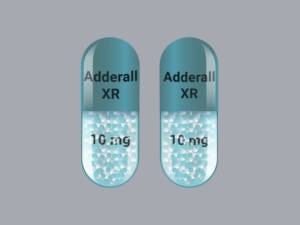
Adderall 10mg
$337.00Select options This product has multiple variants. The options may be chosen on the product page -
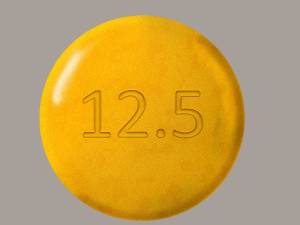
Adderall 12.5mg
$367.00Select options This product has multiple variants. The options may be chosen on the product page -

Adderall 15mg
$357.00Select options This product has multiple variants. The options may be chosen on the product page -
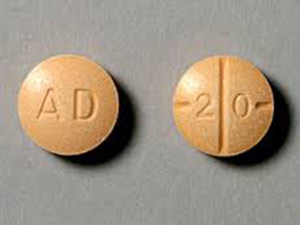
Adderall 20mg
$367.00Select options This product has multiple variants. The options may be chosen on the product page -

Adderall 30mg
$437.00Select options This product has multiple variants. The options may be chosen on the product page -

Adderall 5mg
$307.00Select options This product has multiple variants. The options may be chosen on the product page -

Adderall 7.5mg
$337.00Select options This product has multiple variants. The options may be chosen on the product page -
Adderall XR 10mg
$337.00Select options This product has multiple variants. The options may be chosen on the product page -
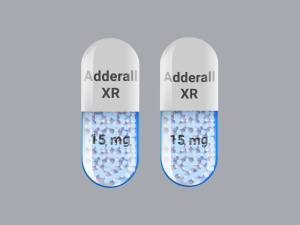
Adderall XR 15mg
$327.00Select options This product has multiple variants. The options may be chosen on the product page -
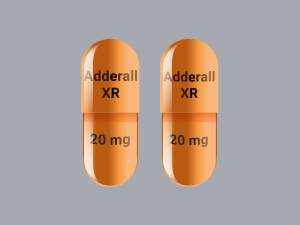
Adderall XR 20mg
$337.00Select options This product has multiple variants. The options may be chosen on the product page -
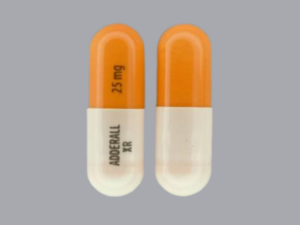
Adderall XR 25mg
$357.00Select options This product has multiple variants. The options may be chosen on the product page -
Adderall XR 30mg
$367.00Select options This product has multiple variants. The options may be chosen on the product page -
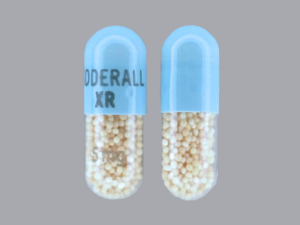
Adderall XR 5mg
$312.00Select options This product has multiple variants. The options may be chosen on the product page
What is Adderall?
Generic Name: Amphetamine and dextroamphetamine
Brand Name: Adderall
- It is a prescription CNS stimulant used in the United States.
- Primarily prescribed for:
- Attention Deficit Hyperactivity Disorder (ADHD)
- Narcolepsy (sleep disorder)
- Adderall XR is an extended-release form that:
- Helps improve focus, attention, and task organization
- Helps patients stay awake during daytime (narcolepsy)
- It works by affecting brain chemicals linked to attention and behavior control.
- Some misuse it for recreational purposes (off-label use).
Mode of Action
- Belongs to the class of CNS (central nervous system) stimulants.
- Increases:
- Focus
- Attention span
- Behavioral control
- Works by balancing certain neurotransmitters in the brain and nerves.
Important Information
- Adderall has a risk of:
- Misuse and addiction
- Drug dependence if not used properly
- People with a history of stimulant abuse should take extra precautions.
What to Know Before Taking Adderall
- Do NOT use with Monoamino Oxidase inhibitors (MAO: dangerous interaction), such as:
- Isocarboxazid
- Phenelzine
- Selegiline
- Linezolid
- Avoid Adderall for at least 15 days after MAO inhibitor use.
- Higher risk groups:
- Depression, bipolar disorder, mental illness history
- Heart disease, high blood pressure, heart defects
- Possible serious risks:
- Stroke
- Heart attack
- Sudden death (rare, high-risk patients)
- Stop and contact doctor if symptoms appear:
- Chest pain
- Shortness of breath
- Dizziness
- Aggression or paranoia
- Do not use if allergic to:
- Amphetamine or dextroamphetamine
- Ingredients:
- Active: Amphetamine, Dextroamphetamine
- Inactive: Microcrystalline cellulose, lactitol, magnesium stearate, colloidal silicon dioxide
How to Take Adderall
- Always follow prescription instructions.
- Key guidelines:
- Start with the lowest dose
- Increase only under medical supervision
- Take divided doses to avoid overdose
- Do not take large single doses
- Take with or without food (food may reduce side effects)
- Do not stop suddenly (may cause withdrawal)
- Use at regular intervals only as prescribed
Dosage Information
ADHD (Adults)
- Immediate release:
- Starting: 5 mg once or twice daily
- Increase: +5 mg weekly if needed
- Max: 40 mg/day (severe cases)
- Extended release:
- Starting: 20 mg once daily
Narcolepsy (Adults)
- Immediate release:
- Starting: 10 mg daily (divided doses)
- Increase: +10 mg weekly if needed
- Max: 60 mg/day (severe cases)
What to Avoid
- Alcohol (dangerous interaction)
- Breastfeeding while using Adderall
- Driving or operating machinery if affected
- Vitamin C and acidic fruit juices close to dosing time
Side Effects
Common Side Effects
- Loss of appetite
- Weight loss
- Stomach pain
- Fast heart rate
- Sleep problems
- Dizziness
Severe Side Effects (seek help immediately)
- Chest pain or breathing problems
- Hallucinations, paranoia, aggression
- Circulation issues (cold limbs, skin changes)
- Seizures
- Muscle twitching
- Vision changes
Drug Interactions
Avoid combining Adderall with:
- Opioids
- Other CNS stimulants
- Migraine medications
- Herbal brain-active supplements
- Any central nervous system affecting drugs
Alternatives
- Generic amphetamine/dextroamphetamine
- Vyvanse (lisdexamfetamine)
- Methylphenidate-based drugs:
Comparisons
Adderall vs Methamphetamine
- Adderall: medically prescribed, controlled, safer
- Meth: illegal, highly addictive, abused recreationally
Vyvanse vs Adderall
- Adderall: multiple amphetamine salts
- Vyvanse: single prodrug (lisdexamfetamine → dexamphetamine in body)
Ritalin vs Adderall
- Ritalin: faster onset, shorter duration (2–3 hours)
- Adderall: longer duration (4–6 hours), more sustained effect
Adderall & Alcohol
- Dangerous combination
- Increases risk of side effects and health complications
Adderall Withdrawal
- Can occur if stopped suddenly
- Symptoms include:
- Fatigue
- Depression
- Irritability
- Sleep issues
- Cramping or nausea
- Dose reduction should be gradual under medical supervision
General Note
- Proper diagnosis and prescription from a healthcare provider is necessary before use.
- Treatment should always be medically supervised.
FAQ’s (Frequently asked questions)
Q1. How long does Adderall stay in your system?
Adderall stays in urine for 4–6 days, blood up to 72 hours, saliva 20–50 hours, and hair for about 3 months. Duration depends on pH level, body weight, dosage, frequency, and last use.
Q2. How to get rid of Adderall’s tongue?
Stay hydrated, chew sugar-free gum, sip water often, and use saliva substitutes like sprays or lozenges. Avoid caffeine, tobacco, and alcohol while using Adderall.
Q3. Is Adderall a controlled substance?
Yes, Adderall is a Schedule II (CII) controlled substance in the U.S. due to its high potential for abuse, dependence, and addiction.
Q4. Can you overdose on Adderall?
Yes, excessive or prolonged use can cause overdose symptoms like rapid heartbeat, agitation, hallucinations, panic, and muscle or abdominal pain.
Q5. Can you snort Adderall?
Yes, but it is extremely dangerous and can lead to overdose, addiction, or death. It may also cause nausea, dizziness, headaches, and other severe side effects.
Q6. Where to buy Adderall?
Adderall is available at local pharmacies and trusted online sources, but usually requires a valid prescription from a licensed healthcare provider.
Q7. Can you get addicted to Adderall?
Yes, Adderall can be addictive due to its stimulant properties, especially if misused or taken outside prescribed dosage and schedule.
Q8. What category of drug is Adderall?
Adderall is a CNS stimulant that increases brain activity, improving focus, attention, alertness, and energy levels.